
Get your free quote
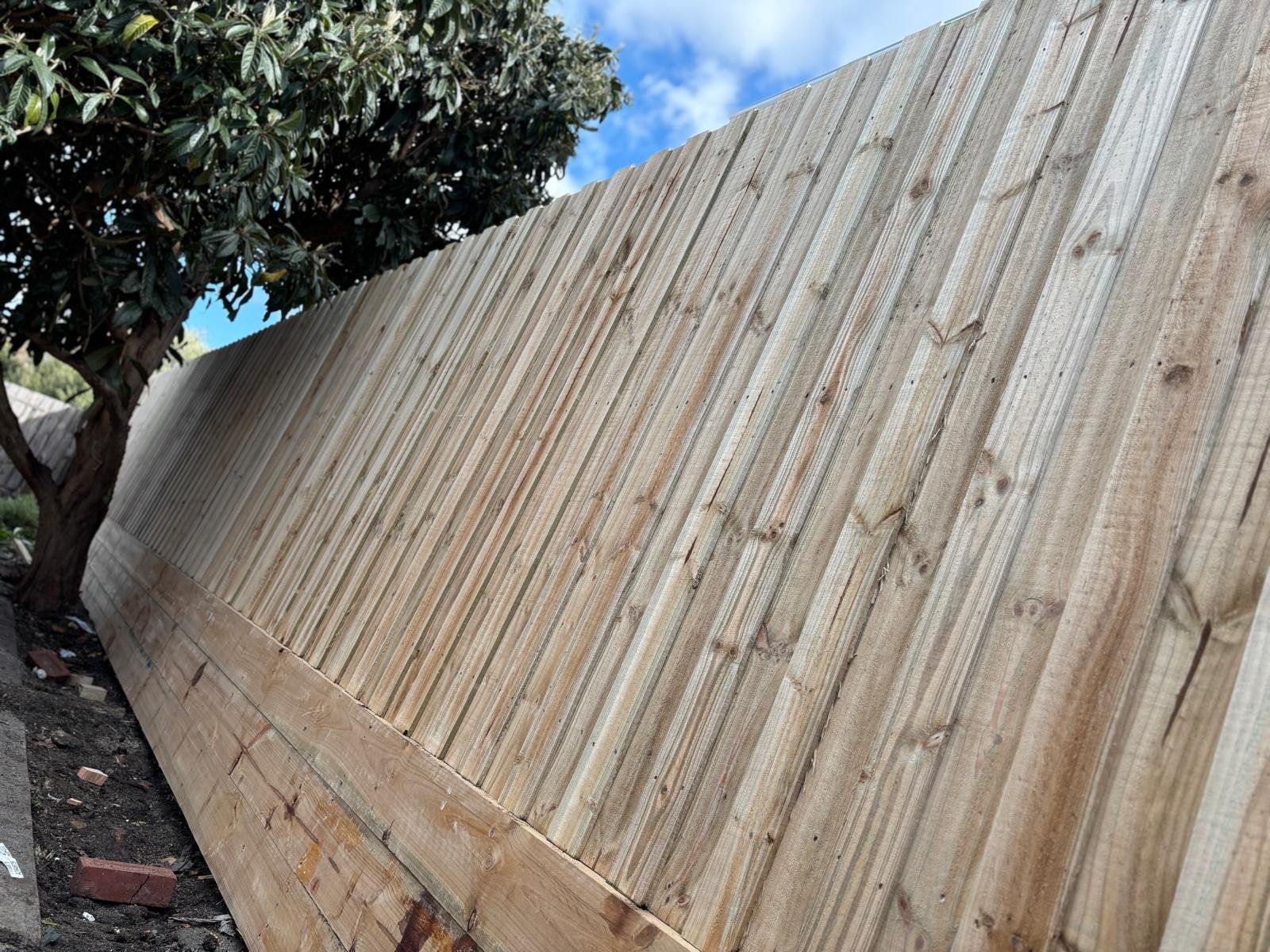
Timber fencing is one of Melbourne’s most popular fencing choices—and for good reason. Made from high-quality natural timber, this fencing style offers a warm, classic look that blends beautifully with both modern and traditional homes.
Unlike manufactured fencing materials, timber brings character, texture, and an organic feel that instantly enhances the atmosphere of your outdoor space. Timber fencing can be built in countless styles—picket, horizontal slat, lapped & capped, privacy screens, acoustic fences, and more—making it incredibly versatile for all types of properties.
A well-constructed timber fence provides:
- Outstanding privacy and sound reduction
- Excellent durability when professionally treated and installed
- Flexibility in height, style, and finish
- Cost-effective fencing solutions
- A natural aesthetic that never goes out of style
I install every timber fence myself. I’ll walk your site, help you choose the right timber grade and style, and build a fence that looks great and feels solid. A properly built timber fence makes a huge difference to privacy and backyard comfort — it’s one of the most satisfying upgrades you can make to your home. In Melbourne’s climate, engineered and treated timber performs exceptionally well, making it a reliable option for homes, rentals, townhouses, and large residential blocks.
Why Choose ME
Why Choose Timber Fencing?
Timber fencing remains a favourite in Melbourne for its balance of aesthetics, practicality, and affordability. Here’s why property owners love it:
Custom-Built for Your Style
Unlike prefabricated metal panels, timber fences are built on-site—giving you total control over spacing, height, design, and finishing.
Easy Repairs and Long-Term Serviceability
Individual boards can be replaced without touching the entire structure, saving time and money.
Strong, Stable & Long-Lasting Construction
When installed with proper posts, quality treated timber, and correct spacing, a timber fence can last decades—even in Melbourne’s mixed weather.
Adds Value and Street Appeal
A well-built timber fence improves your property's overall look, creating a polished, well-defined boundary.
Where Timber Fencing Works Best
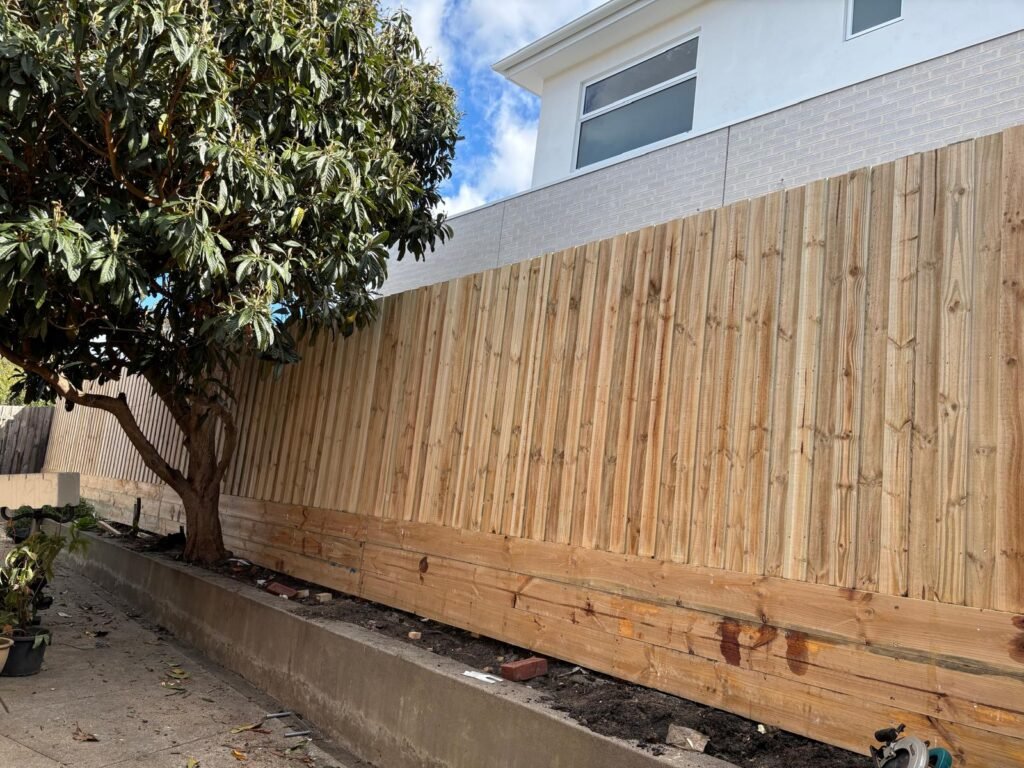
Residential boundaries (front and back yards)
Family homes needing strong privacy
Outdoor entertainment areas and patios
Properties requiring noise reduction
Sloped or uneven land, thanks to timber’s flexibility during installation
Garden and pool areas (when compliant with Melbourne pool regulations)
Homes wanting a timeless and natural aesthetic
Things to Consider Before Choosing Timber Fencing
Timber Type & Grade
Different timbers offer different durability levels, grain patterns, colours, and lifespans. Your choice should match your budget and preferred look.
Maintenance Commitment
Timber does require occasional care—oiling, staining, sealing, or painting—to keep it looking fresh and protected.
Privacy vs. Style
Choose styles like lapped-and-capped for maximum privacy, or slat designs for airflow and contemporary aesthetics.
Local Council Requirements
Melbourne fencing regulations may influence height, boundary lines, and materials. We take care of this during planning.
Exposure to Weather
Proper treatment and installation ensure your fence withstands rain, heat, and moisture.
Maintenance & Care for Timber Fences
Timber fencing offers unbeatable natural beauty, but timber needs proper care to stay strong, durable, and visually appealing. These care tips help your fence withstand Australia’s harsh weather conditions.
Regular Cleaning
- Clean your fence annually with a gentle wood cleaner to remove mould, mildew, pollen, and dirt.
- A soft wash (not too high pressure) is ideal to avoid damaging the timber surface.
Re-Sealing & Re-Oiling
- Timber fences should be sealed, stained, or oiled every 12–24 months depending on exposure.
- This helps protect against UV rays, water damage, rot, and fading.
- Choose a high-quality outdoor timber oil/sealant for lasting results.
Inspect for Rot, Insects & Cracks
- Timber is natural—so it can sometimes develop cracks or attract pests
- Inspect your fence regularly for soft spots, rot, or signs of termites.
- Replace damaged panels immediately to avoid spreading issues
Inspect for Rot, Insects & Cracks
- Timber is natural—so it can sometimes develop cracks or attract pests
- Inspect your fence regularly for soft spots, rot, or signs of termites.
- Replace damaged panels immediately to avoid spreading issues
Inspect for Rot, Insects & Cracks
- Timber is natural—so it can sometimes develop cracks or attract pests
- Inspect your fence regularly for soft spots, rot, or signs of termites.
- Replace damaged panels immediately to avoid spreading issues
Avoid Sprinkler Contact
- Constant water spraying accelerates timber wear.
- Adjust sprinklers to avoid wetting the fence directly.
My Process
How I Install Timber Fencing
Step 1
On-site Inspection & Measure by Ari
I check your boundary, land slope, soil condition, and estate guidelines before quoting.
Step 2
Materials & Panel Selection
I discuss panel thickness, Colorbond colour options, and suitable post types.
Step 3
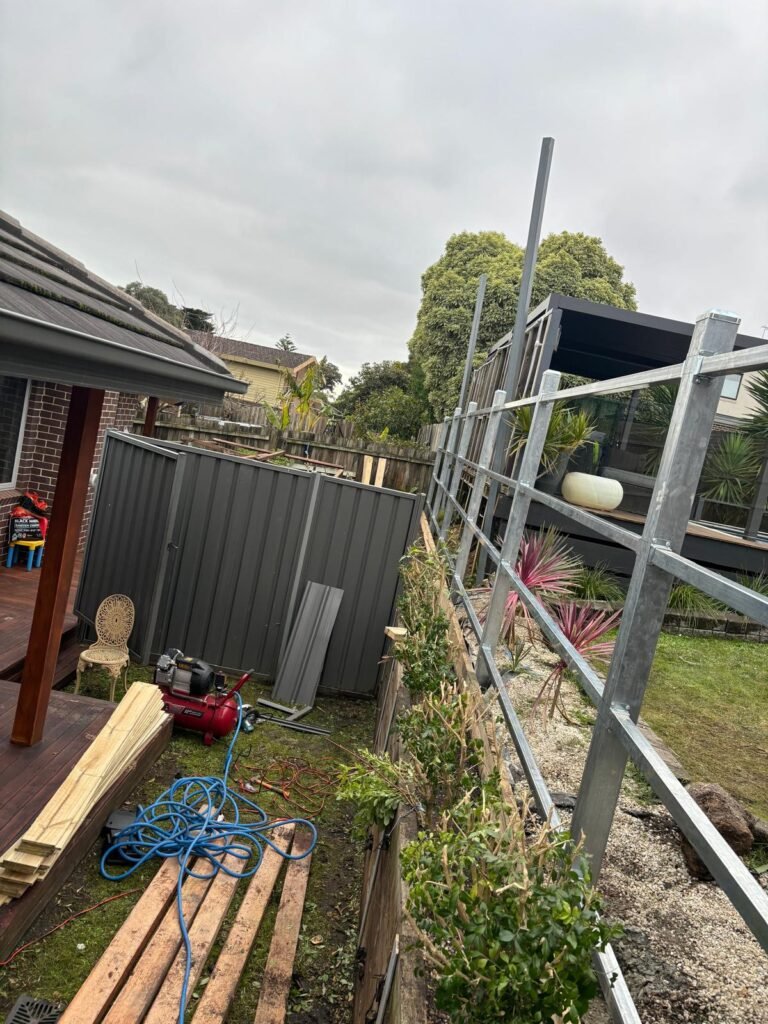
Post Footing & Setting
Posts are concreted deep, aligned, and set to withstand pressure and wind.
Step 4
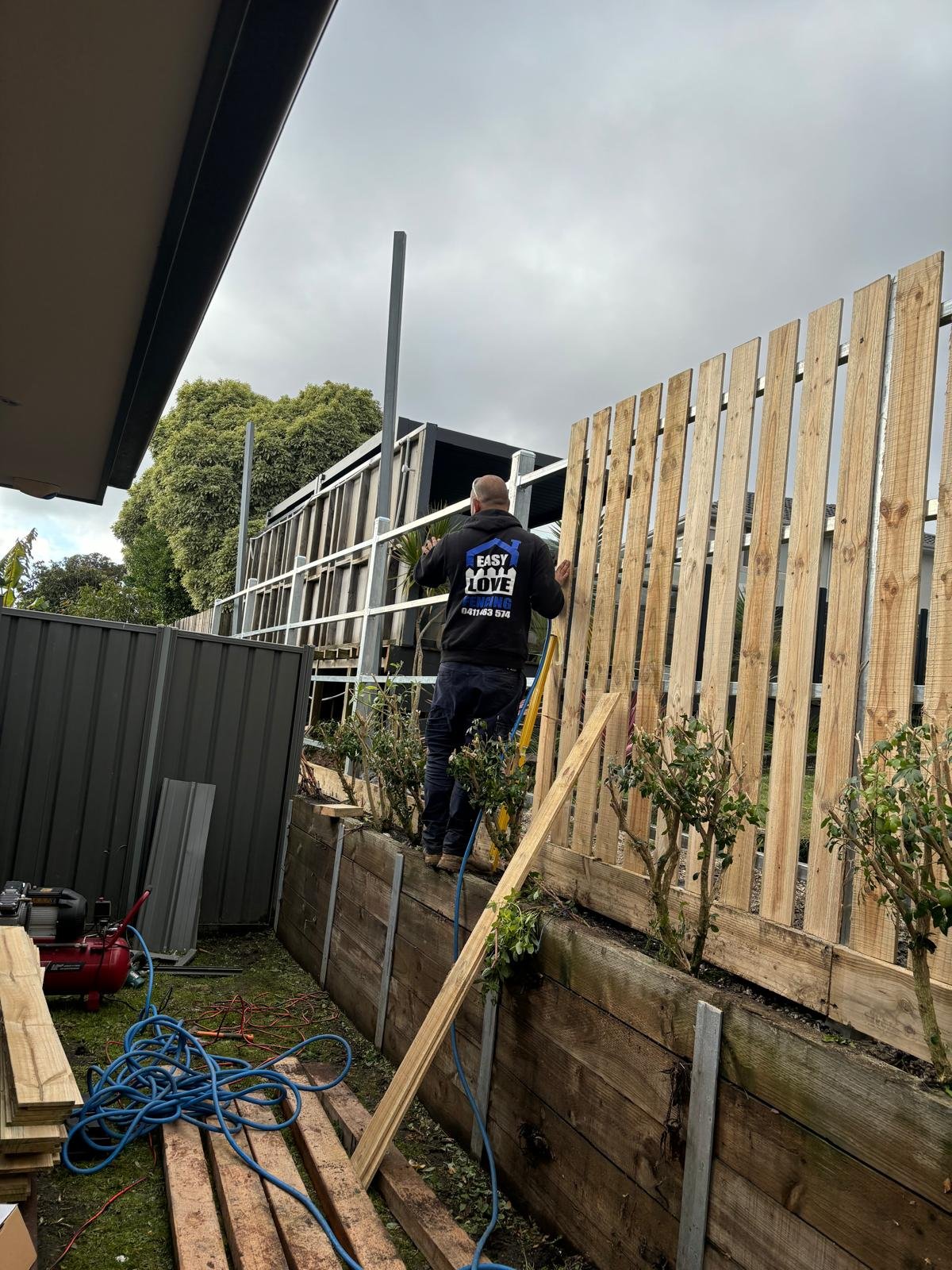
Panel Installation
Panels are fitted neatly with no gaps, keeping fence height consistent and surface smooth.
Step 5
Gate or Feature Integration (If Required)
I prepare reinforced posts and framing if gates or side access points are needed.
Step 6
Final Check & Clean-up
I inspect alignment, finish, and strength — then remove all offcuts and leave your site clean.
Step 7
Handover Walk-through with Client
I make sure you check the fence together with me to confirm you’re happy with fit, finish, and alignment.
Ready to Build a Timber Fence You’ll Love?
FAQ
Frequently Ask Questions
With proper installation and maintenance, timber fences can last 15–25 years depending on the timber type and exposure.
Not a lot—just basic care. Oiling, staining, or painting every few years helps protect your fence and keeps it looking fresh.
Treated pine, hardwood, and merbau are commonly used. The right choice depends on your design, durability needs, and budget.
Yes—when properly treated and installed, timber stands up well to heat, rain, and moisture.
Absolutely. Timber is one of the most versatile materials for custom fencing.
Yes. Timber offers excellent value and flexibility, making it suitable for most property types.
Yes—individual boards can be replaced without rebuilding the entire fence.
Most standard fences do not need council approval, but height or boundary conditions may apply. We guide you through this during consultation.